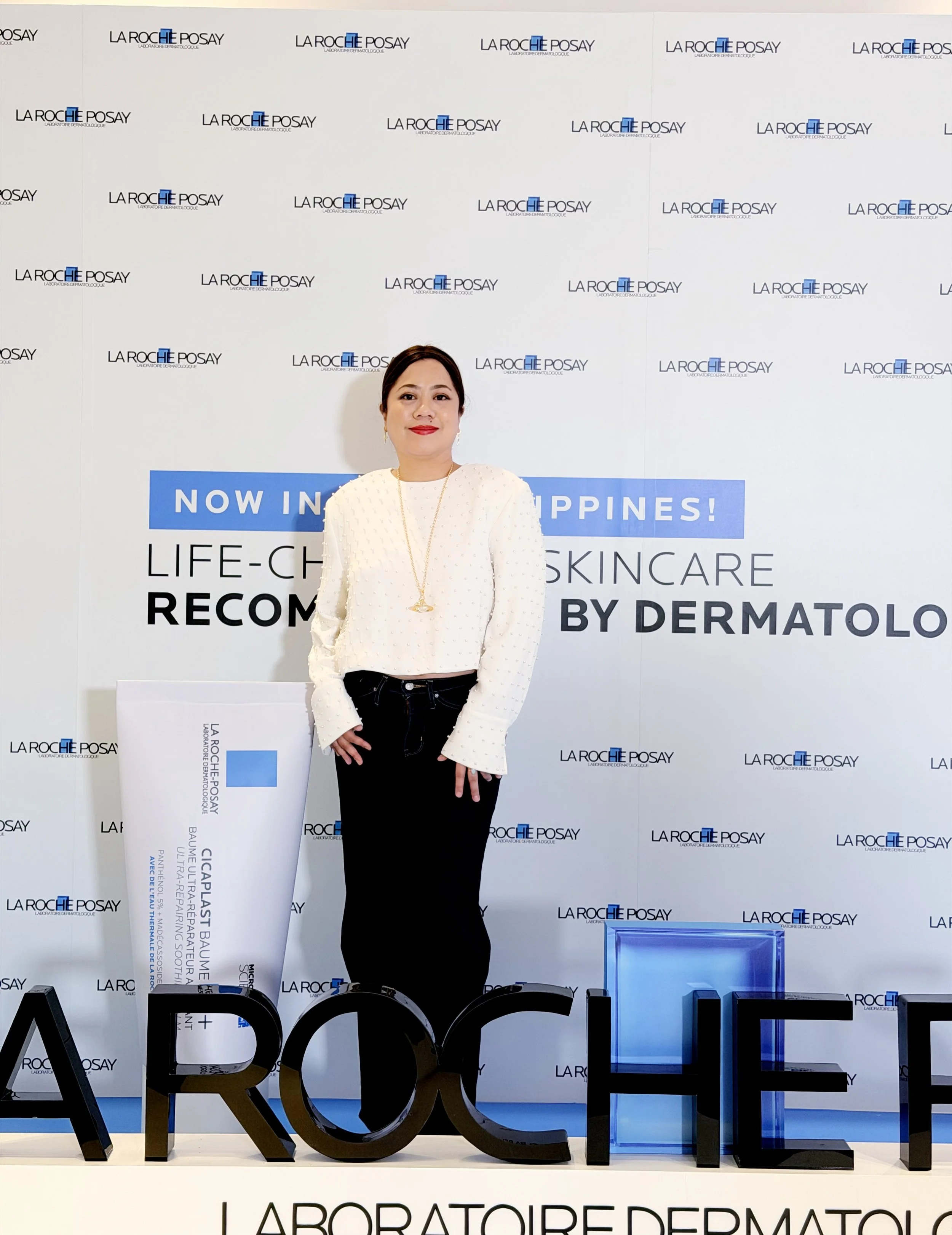
I went to two skincare launches last weekend, and both of them heavily featured dermatologists in the program. On Friday, November 6, Dr.G held its official Philippine launch at the Mind Museum, where guests could sit down for a consultation before trying out the products. The next day, La Roche-Posay had its own official launch at the Fairmont, the same week its shelves went up at SM Beauty in Makati, Megamall, and Aura.
One brand is Korean and the other is French, and they are at very different price points, but they are selling the same idea: your skincare should come from people who study skin for a living. The industry calls this category dermocosmetics, and it is having a very good year.
One company, two launches
The timing looks like a coincidence until you check who owns the brands. La Roche-Posay has been part of L'Oréal since 1989, and Dr.G joined the group after L'Oréal bought it from the Swiss retailer Migros, a deal reported in January 2025. So this was one company introducing two derma brands to the Philippines within 24 hours of each other.
L'Oréal has good reason to do it. Its Dermatological Beauty division, which houses La Roche-Posay, CeraVe, Vichy, and SkinCeuticals, grew 11.6% in the first nine months of 2026, about twice the pace of its luxury division. The region that includes Southeast Asia was the company's fastest growing at 15.8%, led by India, Indonesia, and Vietnam.
We also got a preview of this last year. CeraVe officially launched here in May 2025 through Scent and Beauté, the same distributor now bringing in La Roche-Posay. Until this month, the only way to get La Roche-Posay in the Philippines was through online resellers or a pasabuy from a friend abroad. Dr.G has been on Watsons shelves for years, so its launch is less an arrival than a proper introduction under its new owner.
Two versions of derma
The two brands are not quite the same. La Roche-Posay is the classic French pharmacy brand, founded in 1975 and built on dermatologist recommendations, and it belongs to L'Oréal's derma division alongside CeraVe. The opening lineup at SM Beauty includes Effaclar for acne-prone skin, Anthelios sunscreens, and the Mela B3 range for dark spots, and the shelves are arranged by skin concern instead of by product line.
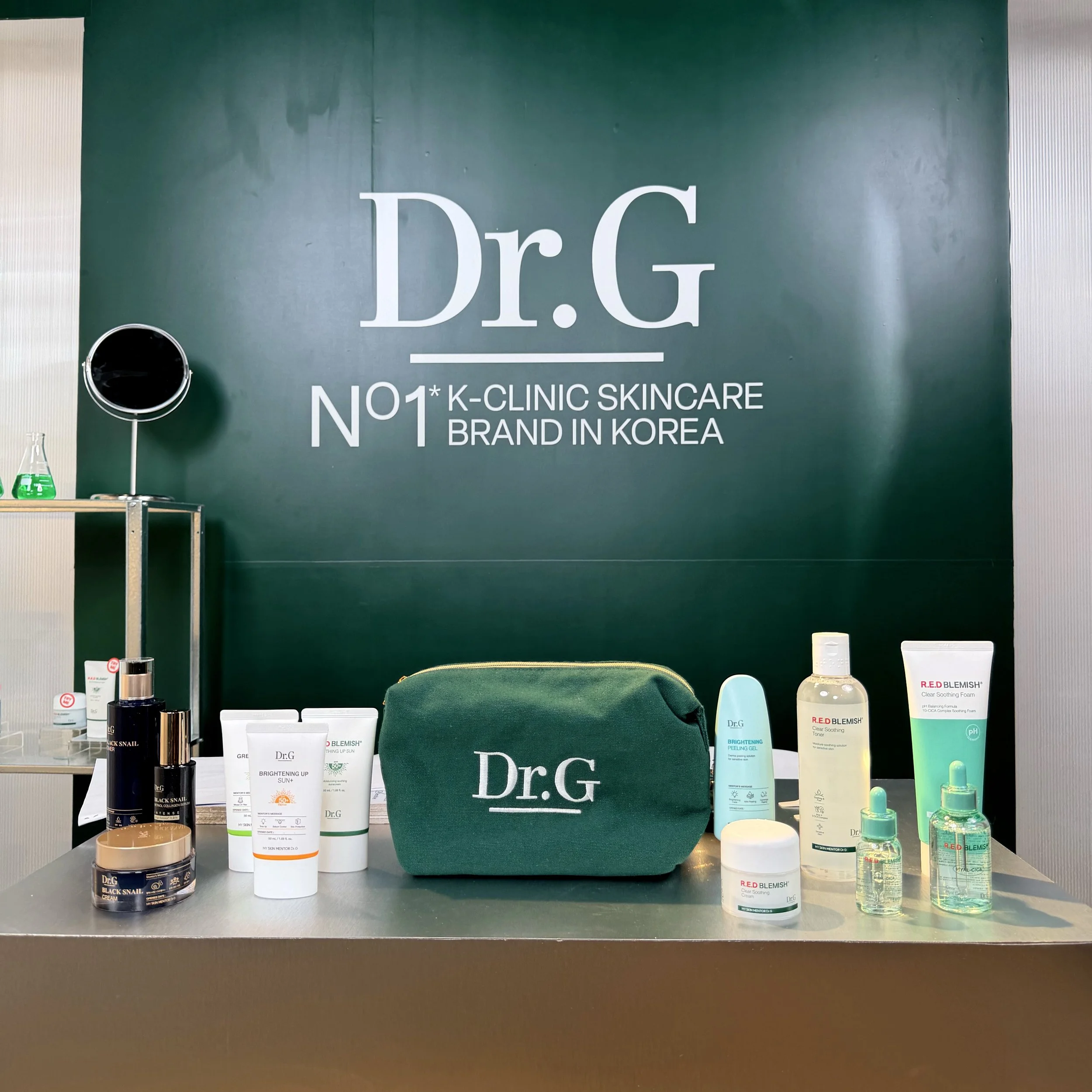
Dr.G is something else entirely. It was founded in 2003 by a Korean dermatologist, Dr. Gun-Young Ahn, and it claims to be the number one skincare brand in South Korea by household penetration. Inside L'Oréal, though, it sits in the Consumer Products division with the mass brands. It is mass K-beauty with dermatologist-centric branding, best known for the cica-based R.E.D Blemish Clear line, and their line of ultra lightweight sunscreens.
I think the pairing tells us that L'Oréal is not betting on one kind of derma customer. It is offering the clinical French version and the friendlier Korean version at different price points, and letting us sort ourselves out.
Why we are ready for it
When I started writing about beauty, I had to explain what SPF was. Today readers ask me which form of vitamin C a serum uses and whether a brand has data for its claims. That change in the audience is what makes a market like ours attractive to derma brands, because their whole pitch depends on a customer who reads the ingredient list.
I think we're also tired. A lot of us spent the last few years layering serious actives, and what we got was irritated skin and a drawer of half-used bottles. After that, a brand that says a dermatologist made this or likes this for their patients is easier to digest.
The stores have noticed. Watsons is in the second year of a three-year campaign with the Philippine Dermatological Society that puts free skin analysis and consultations in malls, and Cetaphil has been running its own dermatologist tour since March. The consultations at the Dr.G launch are part of the same pattern. A derma appointment still costs a few thousand pesos, which is a lot for most people, so the brands are bringing the dermatologist to you.
We've had this all along
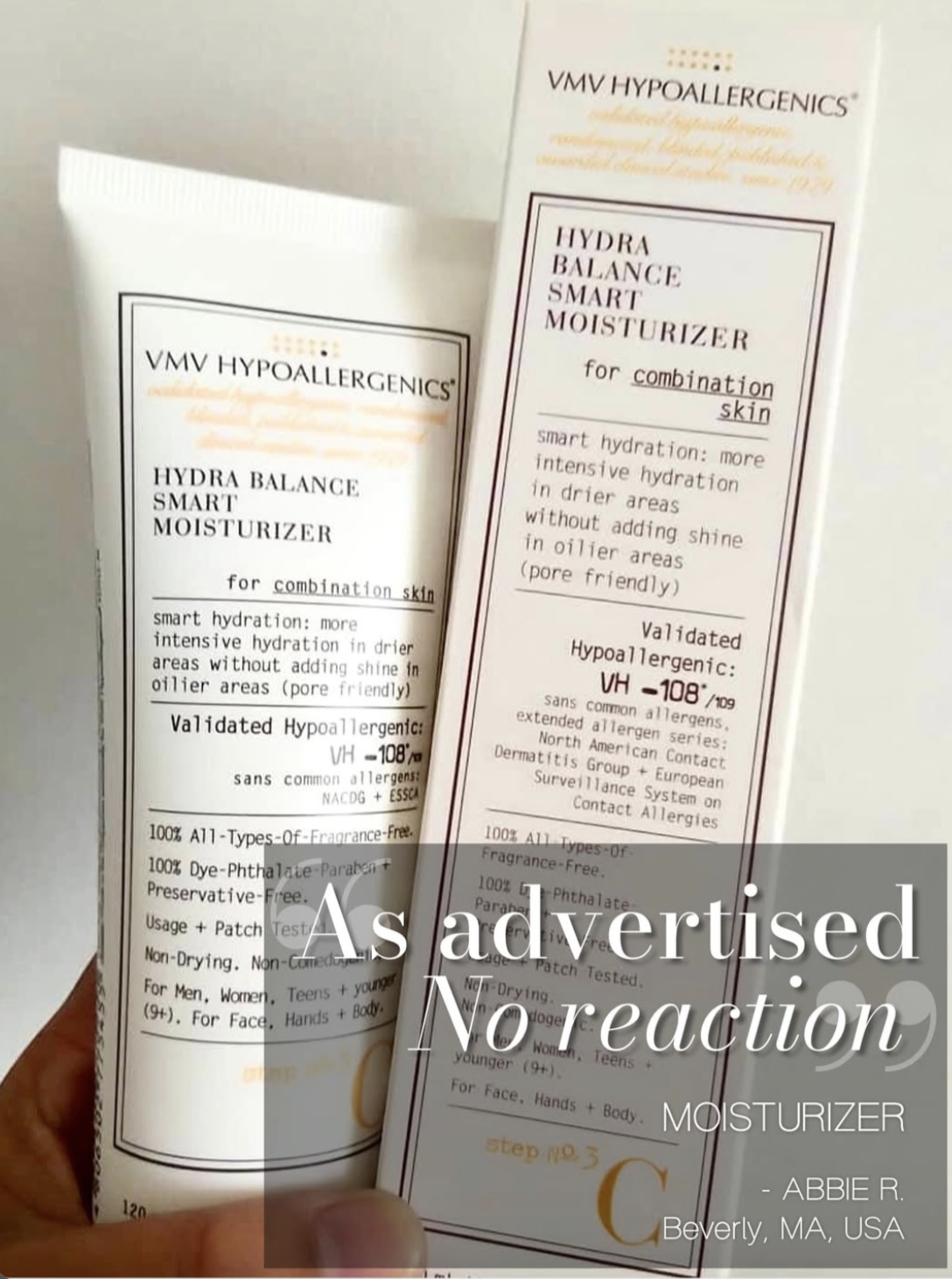
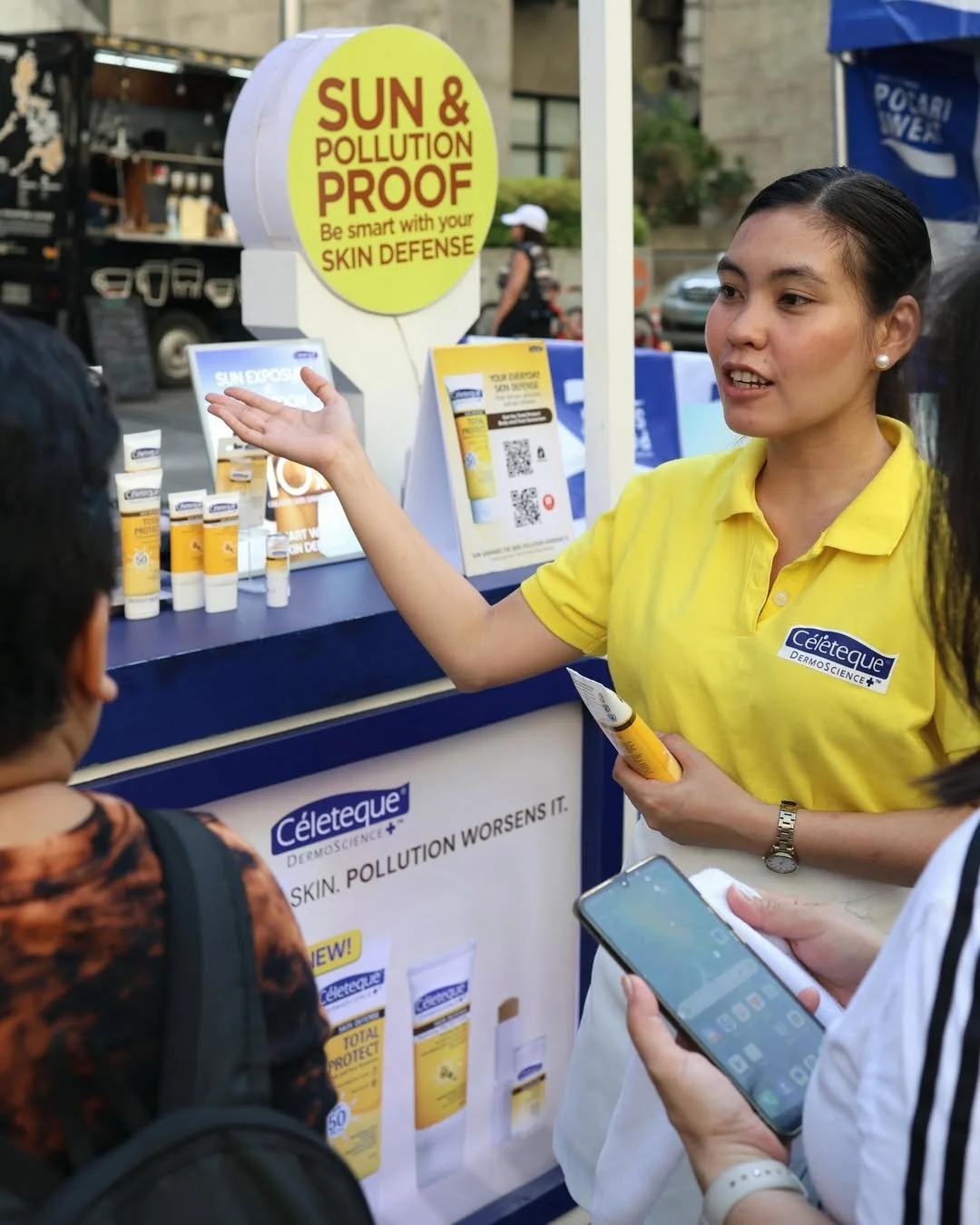
Here's the thing, though: none of this is new to us. VMV Hypoallergenics was founded in 1979 by Dr. Vermén Verallo-Rowell, a Filipino dermatologist. That makes it four years younger than La Roche-Posay. Céleteque, from Unilab, has been making dermatologist-tested skincare since the early 2000s, and you can find it in pretty much any drugstore in the country. Both are Filipino-owned and both are proudly manufactured here.
So local brands built this category a long time ago. What the international launches bring is attention, and I hope some of that sends people back to the VMV and Céleteque shelves they've been walking past.
It does put pressure on them. La Roche-Posay and Dr.G come with big budgets, clinical studies they can quote, and shelves organized by skin concern. VMV and Céleteque have price, availability, and decades of formulating for our skin and our weather. I'd like to see them be more noisy about it. They already have the history, the story, the loyal customers, and they just need to be more active in marketing that.
What this means for you
For those of us who buy skincare, this is good news. We have more well-formulated, well-tested options at more price points than we've ever had, and you can easily find them in shelves or official online store fronts when you shop.
I'll add one caution. Dermocosmetic is a marketing category, not a medical one. A dermatologist's name on the box isn't the same as a dermatologist looking at your face. I know because products never fixed my skin; it was a year and a half with actual dermatologists that did. If a free consultation at a mall gets you to book a real appointment, then go.