Aloe vera is the OG skin soother, and here's how to actually use it
If you grew up in a Filipino household, chances are there was an aloe vera plant somewhere in the garden, and someone (usually a lola or a tita) who swore by it for everything. Sunburn? Aloe. Thinning hair? Aloe. Random rash? Aloe na lang. It's one of those remedies that has been passed down for so long that we barely question it anymore.
The nice thing is that unlike a lot of folk beauty wisdom, this one holds up reasonably well. Aloe vera has been studied for decades, and while it's not the miracle cure some TikToks make it out to be, it genuinely earns its spot in a skincare routine, especially in a climate like ours.
What aloe vera actually does for skin
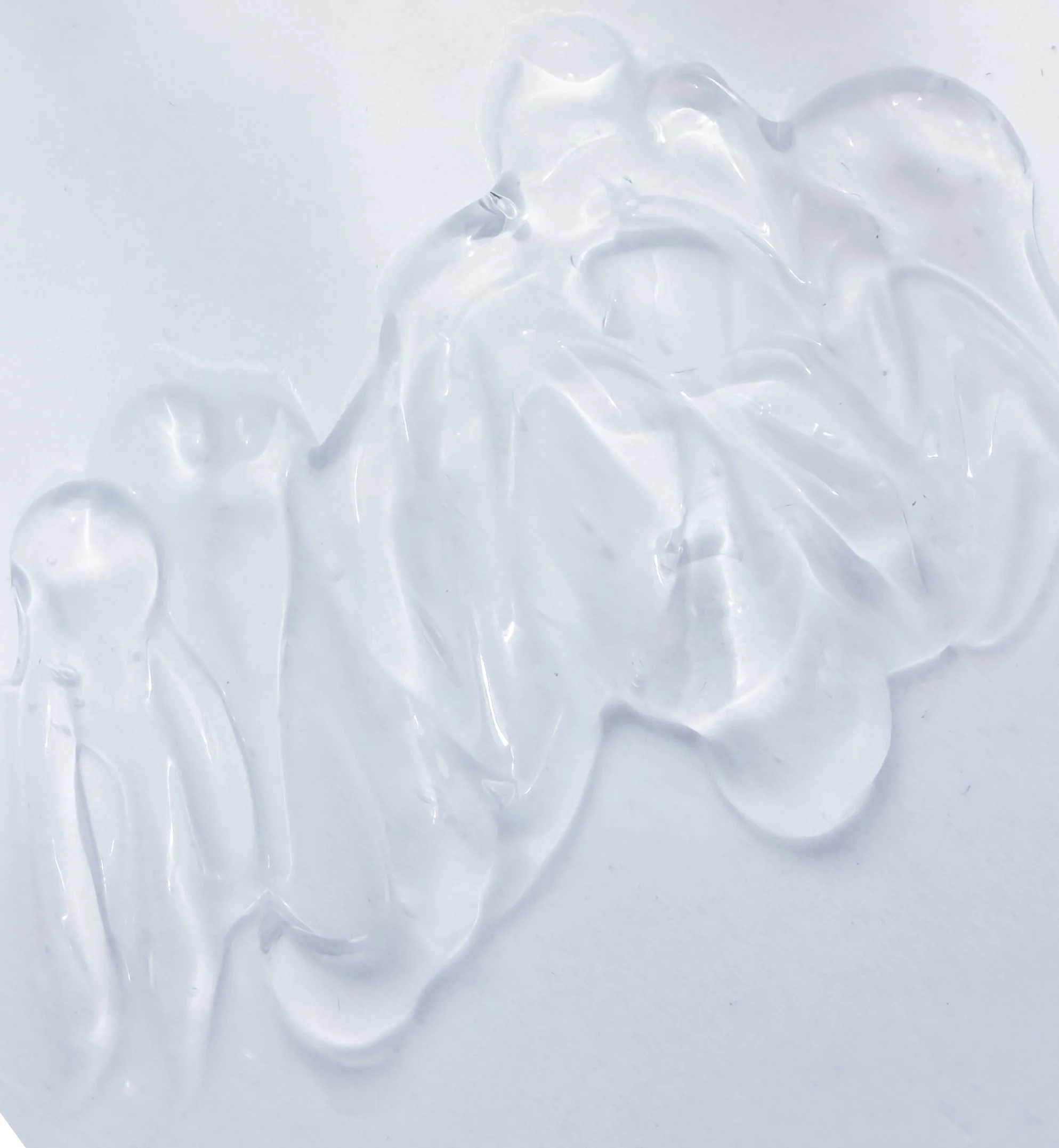
Aloe vera gel, the clear flesh inside the leaf, is about 99 percent water. The remaining one percent is where the interesting stuff lives: polysaccharides like acemannan, plus amino acids, vitamins, and minerals. That combination is what makes aloe a solid humectant, meaning it draws water into the skin and helps it stay hydrated without feeling heavy or greasy.
It's also known for its soothing properties. Research suggests aloe can help calm irritation and redness, which is why it's the classic go-to after a day at the beach. To be clear, it doesn't reverse sun damage or replace sunscreen (nothing does, please wear your SPF), but it can make hot, tight, angry skin feel a lot more comfortable while it recovers.
What aloe won't do: erase dark spots overnight, shrink pores, or cure acne. It can support skin that's healing or irritated, but it's a supporting player, not a treatment. Anyone selling it as a cure-all is overpromising.
Why I reach for the tub instead of the plant
I know, I know. Why buy aloe gel when the plant is right there? A few reasons. Fresh aloe straight from the leaf contains latex and a compound called aloin near the rind, which can irritate skin if you don't fillet the leaf properly. Raw gel also spoils fast and is hard to keep sanitary, especially if you're scooping from the same cut leaf for days.
Commercial soothing gels solve these problems. The aloe is processed to remove the irritating parts, preserved so it doesn't grow anything funky, and usually boosted with other humectants and calming ingredients. You lose the DIY charm, but you gain consistency and safety, which matters more to me.
Ways to use aloe vera gel (beyond sunburn)
This is genuinely one of the most multipurpose products you can own: it can be a lightweight moisturizer for oily or combination skin, especially in this heat. Try it as an after-sun treatment for the face and body. It can also be used to calm skin after shaving or waxing. It’s also handy as a soothing layer after strong actives like retinol or exfoliating acids, on nights when your skin feels a bit fried. Finally, you can apply aloe on the hair and scalp as a light leave-in to tame frizz, the way our grandmothers intended. Even on rough elbows, knees, and cuticles.
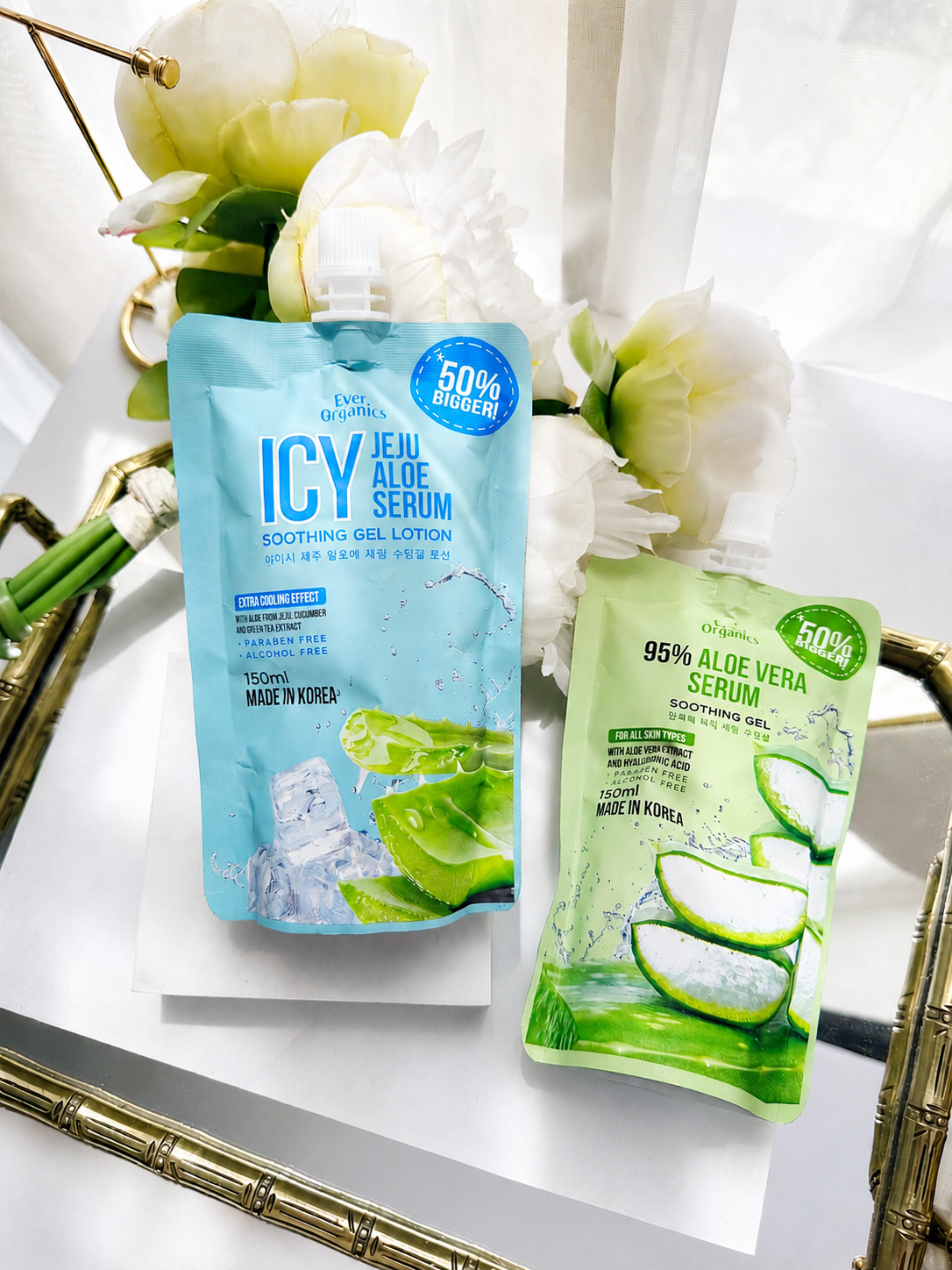
The two Ever Organics soothing gels, compared
Ever Organics (yes, from the same company behind Ever Bilena) has a line of these soothing gels, and I got to try two of them: the 95% Aloe Vera Serum Soothing Gel and the Icy Jeju Aloe Serum Soothing Gel Lotion. They look like siblings on the shelf, but the ingredient lists tell two different stories, so it's worth knowing which one suits you.
The 95% Aloe Vera Serum Soothing Gel (P156 / 150ml) is the purist of the two. Aloe barbadensis leaf extract is the very first ingredient on the list, which means the formula is built on aloe rather than plain water. That's where the 95 percent claim comes from, and it's backed up with sodium hyaluronate (hyaluronic acid) for an extra hydration boost. The texture is a true gel: it spreads easily, sinks in fast, and leaves zero residue. There are no oils or heavy emollients in here at all.
This is the one I'd point oily and combination skin types to, or anyone who wants a barely-there moisturizer for our humid weather. It's also the better pick for hair, scalp, and layering under other products, since it disappears completely.
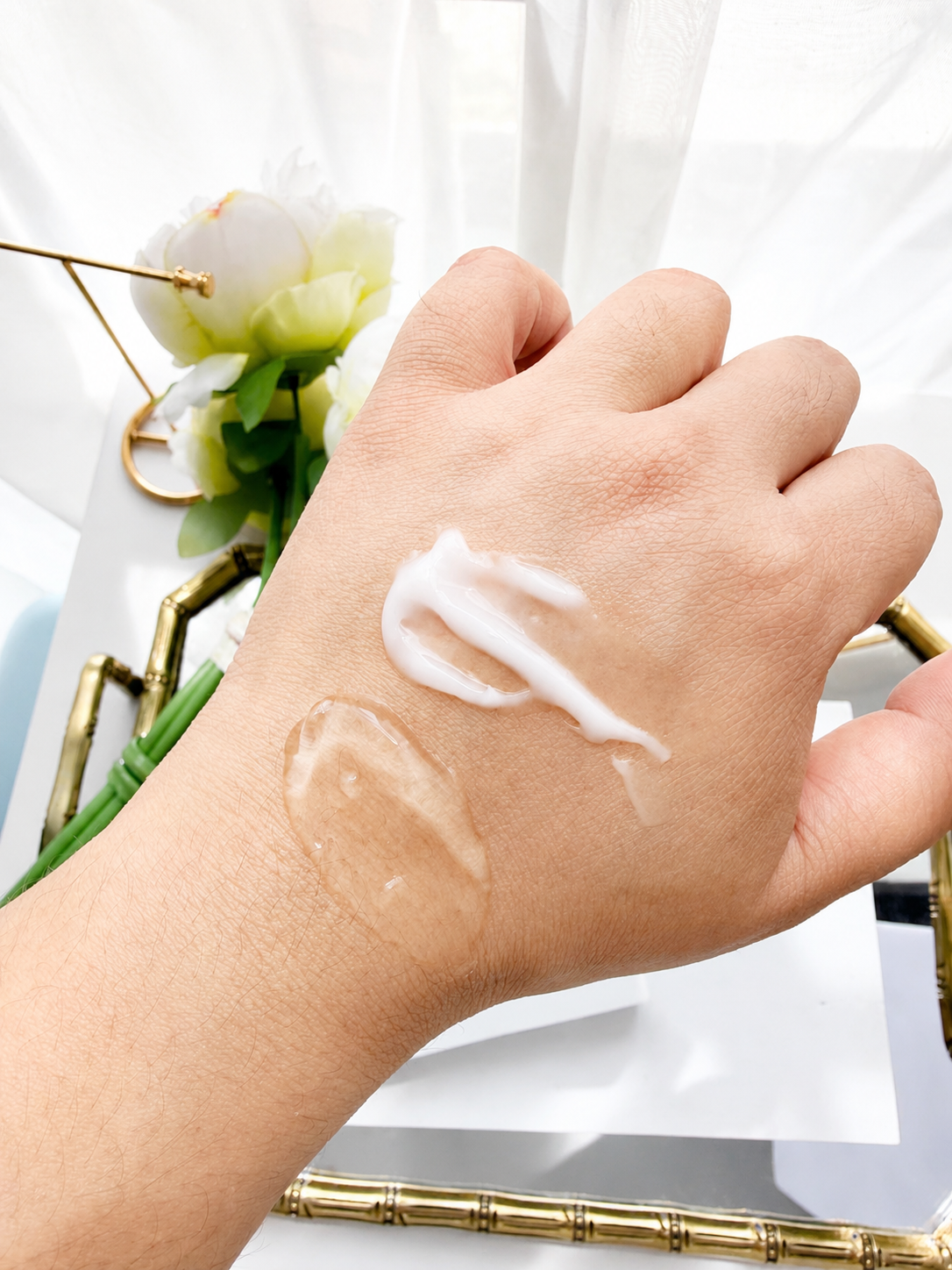
Left: 95% Aloe Vera Serum Soothing Gel / Right: Icy Jeju Aloe Serum Soothing Gel Lotion
The Icy Jeju Aloe Serum Soothing Gel Lotion (P156 / 150ml) is, as the name says, a gel lotion. It leads with aloe leaf water, but the formula also contains mineral oil and glyceryl stearate, which are emollients that help seal moisture into the skin instead of just delivering it. On top of the aloe, you get witch hazel, cucumber extract, green tea, and even ice plant extract, which fits the whole cooling Jeju theme. It goes on refreshing but finishes with a touch more slip and softness than the pure gel.
This is the one for dry to normal skin, for body use, or for anyone whose skin gets parched from sleeping in air conditioning all night. If plain aloe gels have always felt like they evaporate off your skin without doing much, the lotion format will make more sense for you.
Both formulas share the same tail end of botanical soothers: centella asiatica, chamomile, licorice root, green tea, rosemary, and skullcap. Both are paraben-free and alcohol-free, and both are formulated and made in Korea. One honest note: both contain fragrance, so if your skin is extremely reactive to scent, patch test on your inner arm first.
At around a hundred pesos per 150ml tub, these sit firmly in the "grab it with your groceries" price range, which is exactly where a multipurpose staple like this should be.
The bottom line
Aloe vera earned its reputation the honest way, through generations of use and a decent body of research behind its hydrating and soothing abilities. Just keep your expectations calibrated: it's a comfort-and-hydration ingredient, not a treatment. Pick the pure gel if your skin runs oily or you want maximum versatility, and the Icy Jeju lotion if your skin needs its moisture locked in. Either way, your lola would approve.