Can Soap Actually Make Your Skin White? Let's Talk About It
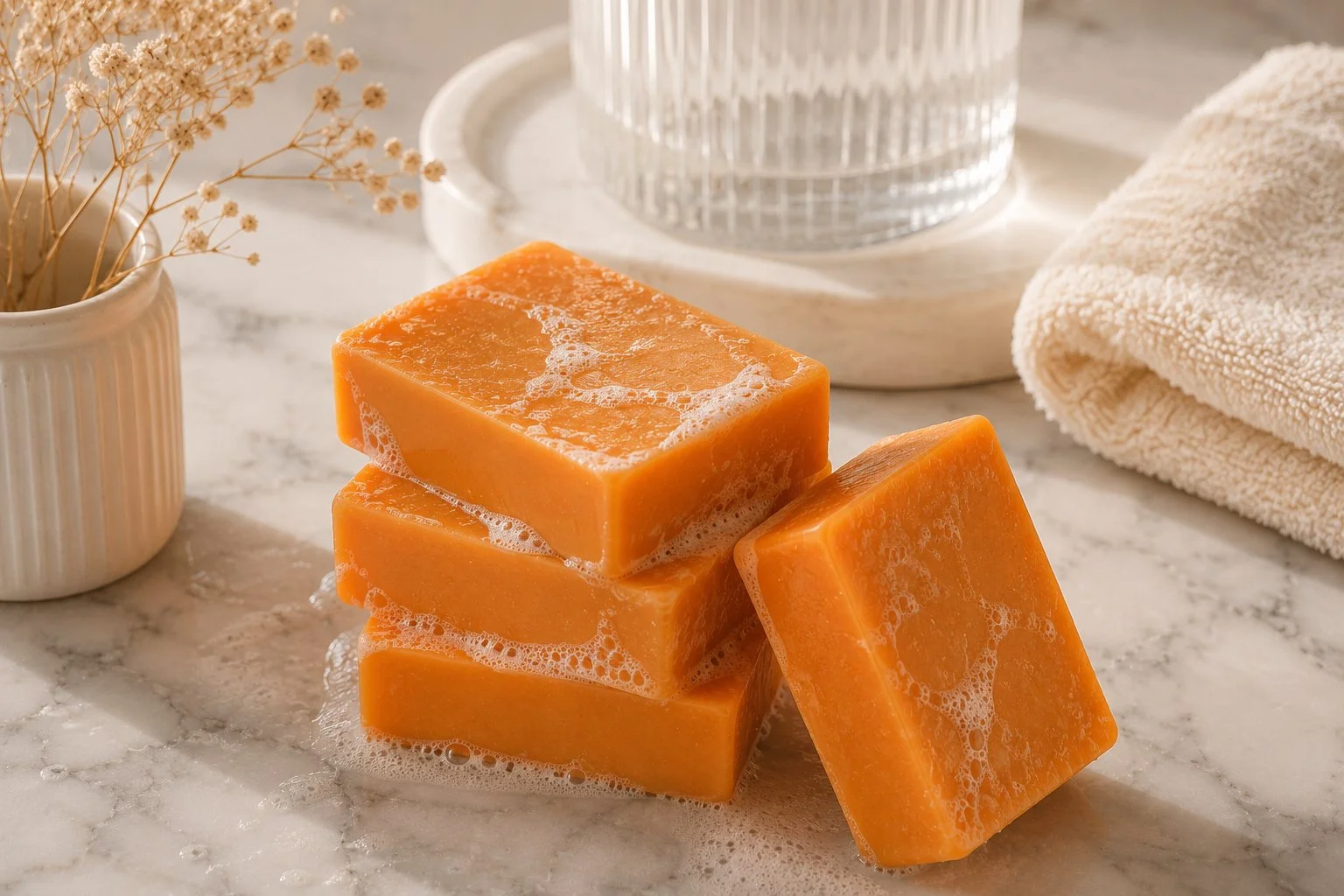
Walk into any sari-sari store, drugstore, or supermarket aisle in the Philippines and you will find them: papaya soaps, kojic soaps, glutathione soaps, all promising to whiten, brighten, lighten, and basically transform you into a different shade entirely. We have been sold the dream of fair skin for generations, and the bath soap has become one of the most accessible ways to chase it. It’s cheap, it’s everywhere, and the labels make some very big promises.
But really: can a bar of soap actually make your skin white? The short answer is no, not in the way you have been led to believe. Let me explain what is really happening to your skin when you consistently use “whitening” soaps, because the truth is more useful (and honestly more freeing) than the marketing.
First, the elephant in the room. The obsession with white skin in the Philippines runs deep, and it is not a coincidence. The UN Environment Programme notes that demand for skin-lightening products keeps climbing rather than fading. The market research firm Fortune Business Insights backs this up with the numbers: the global skin lightening products market was valued at US$9.22 billion in 2023 and is expected to reach US$16.42 billion by 2032. That is not a shrinking industry.
Researchers consistently trace this back to colonial history, where fair skin became linked to status, beauty, and success, and the media has kept that idea alive for decades. In recent years, we’ve seen some beauty companies remove the “whitening” promise, replacing the language with “brightening”, “radiant results”, and “glow up” (among other phrases) but whitening is still heavily implied especially in the marketing.
Now, I’m not here to shame anyone. We all grew up swimming in this. But I do want us to be smarter consumers, and that starts with understanding what these soaps can and cannot in fact do.
What whitening soaps actually do: they exfoliate
Here is the thing. Most of what you are experiencing as "whitening" from a soap is actually exfoliation. When you slough off dead, dull surface skin cells, what is underneath looks fresher, smoother, and yes, sometimes a shade brighter because you have removed a layer of accumulated dullness. That is not the same as changing your actual skin color. It is revealing skin that was already there, and making sure the turnover of dead skin is faster and more regular.
Let's break down the popular actives.
Papaya soaps (papain). That classic papaya soap your tita swears by works because of an enzyme called papain. Papain is a proteolytic enzyme from Carica papaya that, as research describes, breaks down keratin proteins in dead surface cells. One study on proteolytic enzymes in cosmetics explains that enzymes like papain catalyze the hydrolysis of keratin protein bonds, facilitate the removal of dead skin cells from the outermost layer of the epidermis, and promote cell turnover. It is essentially a gentle enzymatic exfoliant. It dissolves the glue holding dead cells together, no harsh scrubbing required. The same study notes these enzymes are gentle enough that they are suitable for sensitive skin types that may react negatively to harsh exfoliants.
So when your papaya soap makes your skin look brighter, it is removing dull buildup, not bleaching melanin.
Kojic soaps (kojic acid). This one is a little different and more interesting. Kojic acid is a fermentation byproduct that works as a tyrosinase inhibitor. Tyrosinase is the enzyme that controls melanin production, and kojic acid interferes with it. A study in Scientific Reports confirmed that kojic acid acts as a mixed inhibitor of tyrosinase, and it is described there as the most widely used skin-whitening agent. It works largely by chelating the copper ions that tyrosinase needs to function.
So kojic acid genuinely can help fade dark spots and even out tone over time. But, and this is the big but, that happens with consistent use and meaningful concentration, and it is fading hyperpigmentation, not lightening your baseline skin color. There is a real difference between evening out and whitening.
Why a soap is limited no matter the active
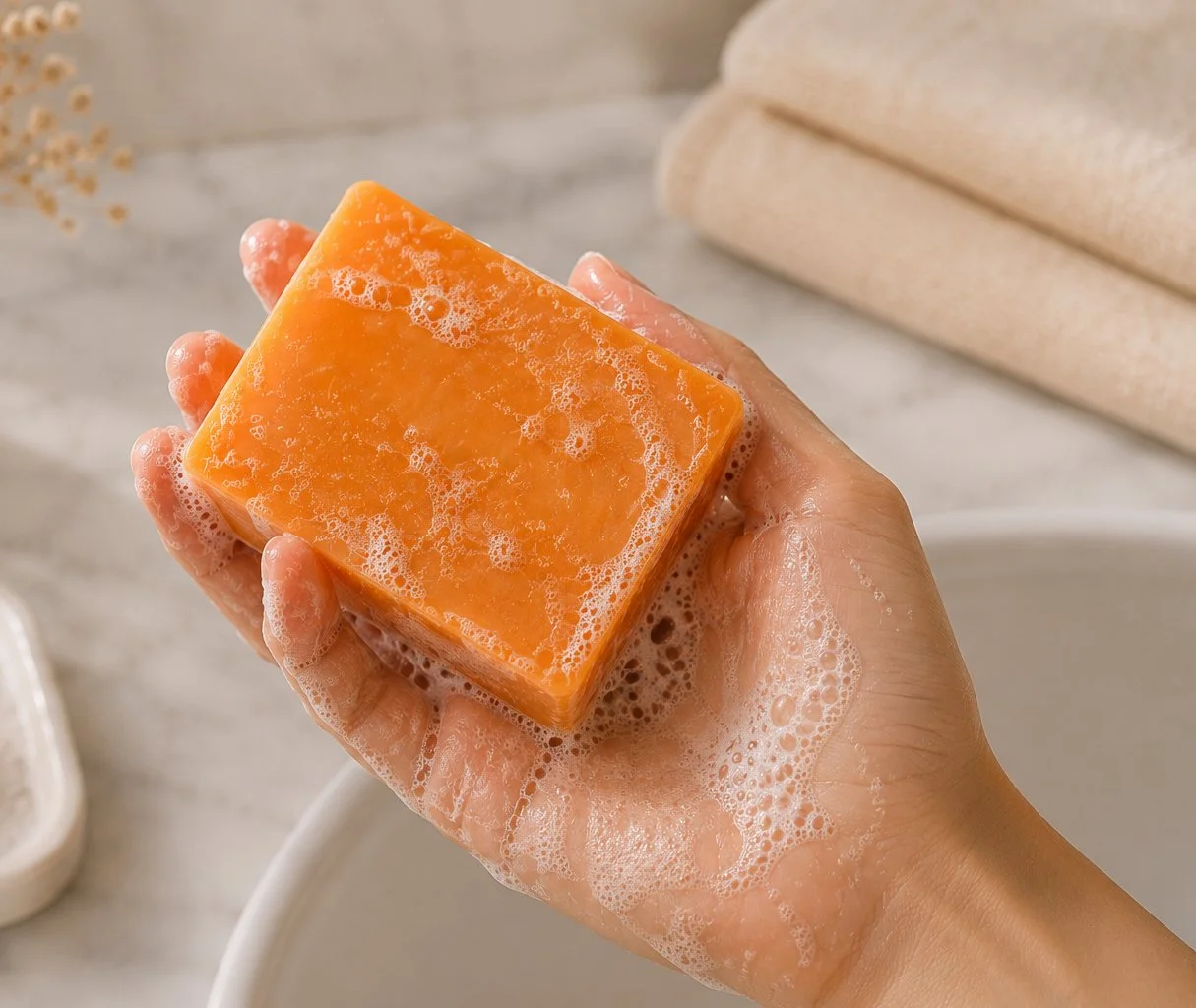
Even the actives that do something more than exfoliate, like kojic acid, are working against the format itself. Soap is a rinse-off product. It sits on your skin for under a minute and then goes down the drain.
For brightening actives that target melanin, contact time matters. The longer an active ingredient sits on your skin, the more opportunity it has to penetrate, which is why leave-on treatments are generally more effective than rinse-off products. In other words, your kojic soap is doing a little something, but a serum or cream would do far more. And no soap, regardless of marketing, is going to lighten your overall complexion by several shades. If a soap claims it can, that is either a lie or there is something in there that should not be (think mercury or undeclared steroids, which are sadly still floating around in the unregulated whitening market).
Exfoliation is good. Just manage your expectations.
I want to be clear that I am not anti-exfoliation - I’m a huge fan of it, and I actually use kojic soap every day. Regular gentle exfoliation is genuinely good for your skin. It smooths texture, helps unclog pores, boosts radiance, and lets the rest of your skincare absorb better. A papain or kojic soap used sensibly can absolutely give you brighter, smoother, more even-looking skin.
What it will not do is change the color you were born with. And it should not, because there was never anything wrong with it to begin with.
So yes, if you like your papaya or kojic soap because it leaves your skin smooth and fresh, keep using it. That is a real benefit. Just do not expect it to whiten you, and do not leave it on longer thinking it will work harder. With kojic soap in particular, extended contact time mostly just increases dryness and irritation without improving results.
Here’s a big tip to keep your skin healthy: wear sunscreen. If you are using any brightening active and skipping SPF, you are undoing the work, since sun exposure re-triggers the exact melanin response you are trying to calm. Using moisturizer regularly also helps to keep your moisture barrier intact for healthy skin turnover.
And this is the most important part: interrogate the goal itself. The research is pretty unanimous that our fixation on fair skin is a colonial hangover, not a beauty truth. There is a whole growing movement of Filipinos pushing back, embracing morena and every shade in between. Your soap can give you healthy, glowing skin. It cannot, and does not need to, give you someone else's complexion.
Take care of your skin. Stop trying to erase it.